
When you type a question into Google, you press enter and see a full list of web pages. That display is called a SERP. The exact SERP meaning stands for Search Engine Results Page. It acts as a friendly digital bridge between the question you ask and the answers you need.
Every single results page looks unique. Search engines build them to match what you want to find quickly. Sometimes you see quick text boxes, and other times you see pictures, maps, or videos. Learning about these pages helps website owners reach more people online every day.
+——————————————————————————-+
| SERP OVERVIEW GUIDE |
+——————-+———————————————————–+
| Full Name | Search Engine Results Page |
| Core Purpose | Displays answers and links based on user questions |
| Main Components | Organic links, Ads, Images, Videos, AI summaries, Maps |
| Primary Goal | Connect people with helpful information quickly |
| Key SEO Focus | Ranking high, capturing SERP features, monitoring trends |
+——————-+———————————————————–+
Decoding the True SERP Meaning for Beginners
To really understand the SERP meaning, think of Google as a giant library. The search results page is the helpful librarian pointing you directly to the best books. It saves you time by organizing the internet.
Years ago, search pages only showed ten plain blue website links. Today, the true SERP meaning includes interactive tools, direct answers, and colorful photos. Search engines want to give you great answers without making you work hard for them.
Exploring Modern SERP Features You See Daily
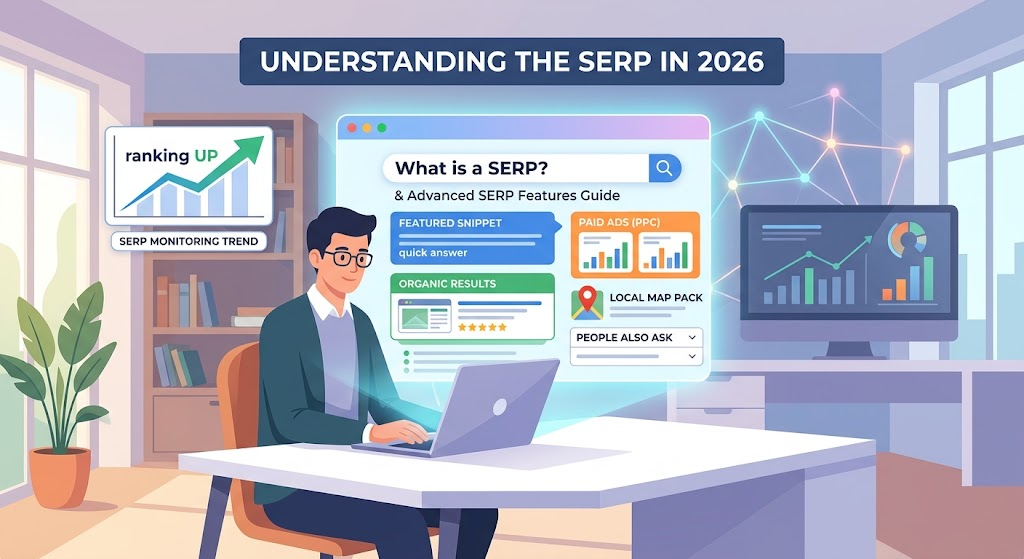
Standard website links are no longer the only thing on the page. Today, special visual blocks called SERP features grab your attention first. These items give fast facts before you even click a website link.
Common SERP features include quick answer boxes, star ratings, and shopping lists. You might also see short video clips or question lists. Knowing how these SERP features work helps you get your content seen by millions.
+——————————————————————————-+
| TOP SERP FEATURES EXPLAINED |
+———————-+——————————————————–+
| Feature Name | What It Shows To Readers |
+———————-+——————————————————–+
| Featured Snippet | A clean text box answering a query right at the top |
| People Also Ask | A drop-down list of common related questions |
| Local Pack | A map showing nearby businesses with ratings and phone |
| AI Overviews | A quick artificial intelligence summary of the topic |
| Image/Video Carousels| Row of pictures or videos matching your search |
+———————-+——————————————————–+
The Power of AI Overviews on the SERP
Artificial intelligence now builds smart summaries at the top of many pages. This SERP tool reads many websites at once and writes a helpful note for you. It saves readers a lot of reading time.
When your website gets quoted inside an AI summary, thousands of people see your brand. It acts like a giant stamp of trust from the search engine. Writing simple, factual content makes it easier for AI to pick your site.
Understanding Organic vs Paid SERP Results
Every main search page has two main types of listings. The first type is paid ads, which show up at the very top with a small sponsored tag. Companies pay money to place these links there.
The second type is organic links, which earn their spot for free by being super helpful. A great SERP strategy focuses on winning these organic spots. They build long-term trust with real people searching for answers.
Why You Need Consistent SERP Monitoring
Search pages change their layout and rankings almost every day. Because of this, smart website owners use SERP monitoring to track their rankings. It shows you if your page moves up or down over time.
Without active SERP monitoring, you might lose visitors without knowing why. Tracking tools alert you when competitors pass you by. Regular SERP monitoring keeps your website popular, safe, and easy to find.
How Search Intent Shapes Every SERP
Google works hard to understand what you actually want when you type. If you search for pizza recipes, the page shows cooking steps. If you search for pizza near me, it shows a map.
Matching user intent is the secret to getting featured on the page. When your content gives people exactly what they want, search algorithms reward you. Always write with a clear helpful goal in mind.
How to Rank in People Also Ask Boxes
Almost every search page includes a list of extra questions. These boxes are popular SERP features that drop down when clicked. They give fast answers to extra thoughts readers have.
To rank inside these boxes, add clear questions as section titles in your articles. Answer each question in two simple, friendly sentences. This easy habit helps search engines pick your work quickly.
Local SERPs and the Famous Map Pack
If you search for a service nearby, Google displays a local map with three business spots. This special block is one of the most useful SERP features for real-world stores. It shows opening hours, stars, and direct phone numbers.
Local business owners should set up a free business profile to appear here. Getting happy customer reviews also boosts your spot. It brings real foot traffic right through your front door.
The Role of Schema Markup in SERP Optimization
Schema markup is a simple computer code you add behind the scenes on your website. It acts like a label that tells search engines what your text means. It explains if a number is a price, a rating, or a cooking time.
Using schema code helps your page transform into rich SERP features. Your plain website link can gain shiny review stars or product prices. These extra details draw reader eyes and increase your clicks.
Essential Tools for Effortless SERP Monitoring
You do not have to check search pages manually every hour. Professional software makes SERP monitoring simple and automatic. Tools like Semrush or Ahrefs record your progress night and day.
These smart tools show which keywords bring you traffic and which ones need work. They also reveal if you hold any special SERP features. Using automated SERP monitoring saves time so you can focus on writing great content.
+——————————————————————————-+
| SEO EXPERT BIOGRAPHY & PROFILE |
+——————-+———————————————————–+
| Full Name | Alex Rivers |
| Professional Title| Senior Search Engine Optimization Specialist |
| Experience | 10+ Years in Digital Marketing & Content Strategy |
| Core Expertise | Search Intent Analysis, SERP Feature Optimization, AEO |
| Favorite Strategy | Human-First Content paired with Schema Markup |
| Personal Philosophy| “Keep SEO simple, helpful, and clear for real readers.” |
+——————-+———————————————————–+
Simple Actionable Steps to Improve Your SERP Visibility
Getting your web pages to show up high on a SERP takes patience and smart habits. Follow these simple steps to help your site grow naturally:
- Write easy-to-read text that directly answers reader questions early.
- Use clear headings so both people and search bots can scan your page.
- Add descriptive image tags so your photos show up in image searches.
- Use automated SERP monitoring to track your keywords every week.
- Update old articles regularly with fresh facts and helpful answers.
Summary of Key SERP Concepts
Mastering search pages boils down to creating helpful value. When you understand the true SERP meaning, you stop guessing what works. You begin building pages that both users and algorithms love.
Targeting modern SERP features keeps your website visible and active. Pairing strong writing with steady SERP monitoring sets you up for long-term online growth. Keep your readers happy, and the search engine will reward you!
Frequently Asked Questions (FAQs)
What does SERP stand for in SEO?
SERP stands for Search Engine Results Page. It is the full list of links, images, and answer boxes you see on your screen after typing a search query into Google or Bing.
What are the main SERP features?
The main features include Featured Snippets, People Also Ask boxes, Knowledge Panels, Local Map Packs, Image/Video Carousels, and modern AI Overviews.
Why is SERP monitoring important for website owners?
Tracking your rankings helps you see how well your pages perform over time. It alerts you when rankings change so you can update your content and protect your search traffic.
Can I rank on a search page without paying for ads?
Yes! You can rank for free in the organic search section by writing clear, high-quality content that answers what people are looking for.
How do search engines choose which pages appear on the SERP?
Search engines use smart computer formulas to read millions of web pages. They pick pages that match the searcher’s question with reliable, fast, and helpful answers.
How often do search engine results pages change?
Search pages can change daily or even hourly. Search engines constantly update their pages to show the freshest and most accurate information available online.