
If you have ever typed “best ensalada caprese argentina near me” into your phone while standing on a busy Buenos Aires corner or scrolling through delivery apps at home, you already know the struggle. Not every version of this dish lives up to its name, and the search results rarely tell you which spot actually respects the tradition behind it. Some places drown the tomatoes in dressing, some skip the basil entirely, and others serve mozzarella so rubbery it barely qualifies as fresh.
This guide exists to cut through that noise. Whether you are a longtime resident of Argentina or a traveler trying to eat like a local, understanding what separates an average caprese from a genuinely great one will change how you order food for good. By the end of this article, you will know exactly what to ask for, what to avoid, and how to recognize quality the moment your plate arrives.
What Makes an Authentic Ensalada Caprese Argentina Special
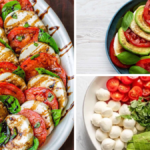
At its core, a caprese salad is a simple dish built on three ingredients: ripe tomatoes, fresh mozzarella, and basil, finished with olive oil and a touch of salt. But Argentina has quietly made this Italian classic its own, thanks to the country’s deep Italian immigrant roots and its obsession with quality dairy and produce. Argentine cooks tend to treat the dish with a kind of reverence, refusing to cut corners on ingredients even when the recipe itself stays humble.
What sets the Argentine version apart is the balance. Local chefs often use tomatoes that are slightly less acidic than their Mediterranean counterparts, paired with mozzarella that leans creamier because of the country’s excellent milk supply. The result is a salad that feels lighter on the palate but still rich enough to satisfy. This is precisely why so many people go out of their way searching for the best ensalada caprese argentina near me instead of settling for whatever is closest.
How Argentine Chefs Put Their Own Spin on a Classic
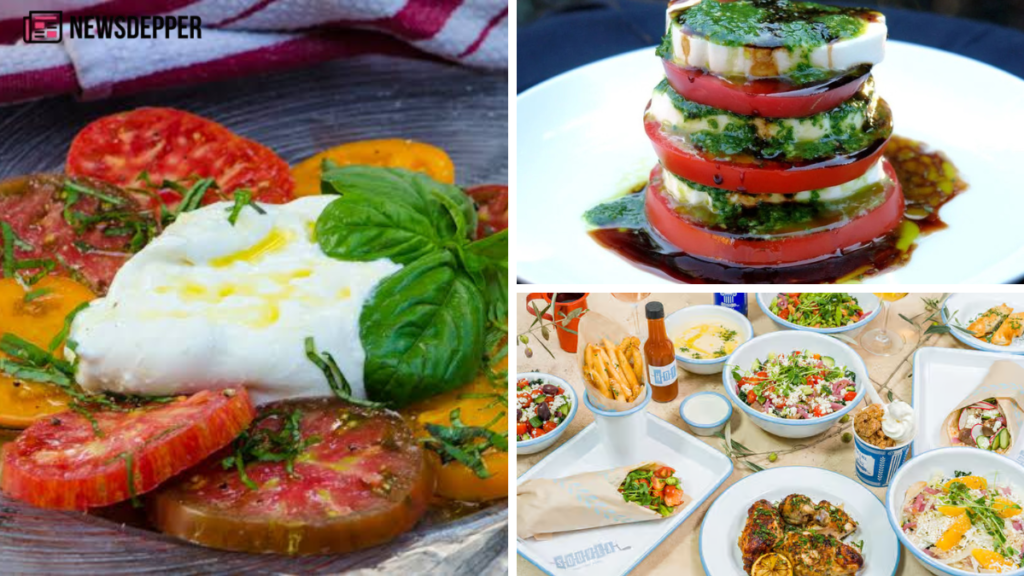
Argentine chefs rarely leave a dish untouched, and caprese salad is no exception. Some restaurants swap regular olive oil for a locally pressed variety with a slightly peppery finish, which adds complexity without overpowering the tomatoes. Others incorporate a splash of balsamic reduction, a touch that Italian purists might raise an eyebrow at but that locals have come to expect and love.
There is also a growing trend of adding regional touches, like a sprinkle of oregano grown in Mendoza or a drizzle of honey to counter the acidity of particularly tart tomatoes. These small adjustments rarely overwhelm the dish, but they do give it a distinct character. If you have ever wondered why the caprese you had in Palermo tasted different from the one you had in Córdoba, this regional creativity is usually the answer. It is also why locals insist that finding the best ensalada caprese argentina near me depends heavily on which neighborhood or province you happen to be in.
Where to Look When Searching for the Best Ensalada Caprese Argentina Near Me
Location matters more than people realize when it comes to this dish. Restaurants situated near farmers markets or with direct relationships to small dairy producers tend to serve noticeably better versions, simply because their ingredients travel a shorter distance from farm to table. Italian trattorias, in particular, often take extra pride in their caprese since it represents a piece of their heritage.
Delivery apps can be useful for a first pass, but reviews focused specifically on freshness and ingredient quality are far more telling than star ratings alone. A restaurant with a four-star average that consistently gets praised for its tomatoes and mozzarella is usually a safer bet than a five-star spot with vague, generic reviews. Below is a quick comparison of where you are likely to find strong options depending on the type of venue.
| Venue Type | What to Expect | Best For |
|---|---|---|
| Italian trattoria | Traditional preparation, high-quality mozzarella | Purists who want the classic version |
| Modern parrilla with sides menu | Caprese as a starter before grilled meats | Pairing with a full Argentine meal |
| Farm-to-table bistro | Seasonal tomatoes, local cheese | Freshness-focused diners |
| Casual café or bar | Simplified version, often smaller portion | Quick, light lunch |
| Upscale fine dining | Elevated plating, artisanal ingredients | Special occasions |
Using a table like this as a mental checklist can save you from disappointment. Instead of relying purely on proximity, think about what kind of dining experience matches your mood, then narrow your search for the best ensalada caprese argentina near me from there.
Key Ingredients That Separate Good From Great
Tomatoes are the make-or-break ingredient in any caprese salad, and Argentina’s varied climate means quality can shift dramatically depending on the season and the region supplying the produce. Look for tomatoes that are deep red, slightly soft to the touch, and fragrant when cut. If a restaurant serves pale, watery tomatoes, that is usually a sign the rest of the dish will underwhelm too.
Mozzarella deserves just as much attention. Fresh mozzarella should have a slight give when pressed and a faint milky aroma, not a rubbery texture that squeaks against your fork. Many top-tier restaurants in Argentina now source their mozzarella from small local producers rather than mass-market suppliers, and that difference is immediately noticeable in both texture and flavor. As one longtime chef in Buenos Aires put it, “You can dress up a bad tomato, but you can never fake a good one.” That sentiment captures exactly why ingredient sourcing matters more than presentation when judging quality.
Pairing Your Caprese Salad With Argentine Wine and Sides
A caprese salad rarely stands alone on an Argentine table, and pairing it thoughtfully can elevate the entire meal. A crisp Torrontés or a light Chardonnay complements the acidity of the tomatoes beautifully, while a heavier red like Malbec can sometimes clash with the delicate flavors unless the dish includes a stronger balsamic element. Many sommeliers recommend starting with a caprese specifically because it primes the palate without overwhelming it before richer courses arrive.
On the food side, crusty bread is almost mandatory, ideally something with a slightly charred crust that can soak up leftover olive oil and tomato juices. Some restaurants also serve their caprese alongside a small portion of cured meats, which adds a savory contrast that many diners find irresistible. If you are planning a full meal around this dish, thinking about these pairings in advance will make your search for the best ensalada caprese argentina near me feel less like a solo mission and more like meal planning.
Seasonal Variations Worth Seeking Out
Argentina’s tomato season generally peaks during the warmer months, which means the caprese salad you order in December will almost always taste better than the one you get in the dead of winter. Restaurants that understand this often adjust their menus accordingly, either sourcing greenhouse tomatoes carefully or swapping the dish out entirely during off-peak months rather than serving a subpar version just to keep it on the menu.
Some chefs get creative during colder seasons, incorporating roasted tomatoes or sun-dried varieties to compensate for the lack of fresh, in-season produce. While purists might argue this strays from tradition, it often results in a genuinely delicious alternative that still honors the spirit of the original dish. Paying attention to seasonality is one of the most overlooked strategies when trying to find the best ensalada caprese argentina near me, since even the same restaurant can vary wildly in quality depending on the time of year.
Tips for Choosing a Restaurant Before You Go
Reading a menu description carefully can tell you a lot before you even walk through the door. Restaurants that specify the origin of their mozzarella or mention “tomate de estación,” meaning seasonal tomato, are usually signaling that they care about ingredient quality. Vague descriptions with no mention of sourcing are not necessarily a red flag, but they do warrant a bit more scrutiny.
Calling ahead or checking social media for recent photos of the dish can also help set expectations. A food blogger based in Rosario once described her ideal version by saying, “It should taste like summer on a plate, nothing more, nothing less.” That kind of simplicity is exactly what to look for, since an overly complicated caprese often signals a kitchen trying to mask lower-quality ingredients with unnecessary extras.
Making It At Home When You Can’t Find It Nearby
Sometimes the best solution is simply making the dish yourself, especially if your search for the best ensalada caprese argentina near me keeps coming up short. Start with the ripest tomatoes you can find at a local market rather than a supermarket chain, since farmers markets in Argentina tend to carry produce that has traveled far less distance and retained more flavor as a result.
Pair those tomatoes with fresh mozzarella from a specialty cheese shop rather than a pre-packaged version, and finish everything with high-quality olive oil and torn basil leaves rather than chopped ones, which helps preserve the herb’s aroma. A pinch of good sea salt and a few cracks of black pepper round out the dish perfectly. Making it at home also gives you full control over ripeness and freshness, two variables that restaurants sometimes compromise on during busy service hours.
Final Thoughts on Tracking Down the Perfect Plate
Finding a truly great caprese salad in Argentina is less about luck and more about knowing what to look for. Ingredient quality, seasonal timing, and a restaurant’s genuine care for sourcing all play a bigger role than proximity or star ratings alone. The next time you search for the best ensalada caprese argentina near me, use these details as your checklist rather than settling for the first result that pops up.
Whether you end up at a cozy trattoria, a farm-to-table bistro, or your own kitchen counter, the goal remains the same: fresh tomatoes, creamy mozzarella, and fragrant basil coming together in perfect, simple harmony. That balance is what makes this dish timeless, and it is worth the extra effort to seek out the version that gets it right.
Frequently Asked Questions
What ingredients should I look for in a high-quality caprese salad?
The most important factors are ripe, fragrant tomatoes and fresh mozzarella with a soft, creamy texture rather than a rubbery one. Good quality olive oil and fresh basil leaves, torn rather than chopped, also make a noticeable difference in overall flavor and presentation.
How can I tell if a restaurant serves the best ensalada caprese argentina near me before ordering?
Menu descriptions that mention seasonal or locally sourced ingredients are a strong indicator of quality, as is checking recent photos on social media or review platforms. Restaurants that specify where their mozzarella or tomatoes come from generally put more care into the dish overall.
Does the season affect the quality of caprese salad in Argentina?
Yes, tomato quality varies significantly depending on the time of year, with the warmer months typically producing the ripest and most flavorful options. Some restaurants adjust their recipes during colder months, using roasted or sun-dried tomatoes as a substitute for fresh ones.
What wine pairs best with a caprese salad?
Light, crisp white wines like Torrontés or a chilled Chardonnay tend to complement the acidity of the tomatoes without overpowering the dish. Heavier reds can sometimes clash with the delicate flavors, so lighter options are generally recommended for this particular salad.
Is it better to make caprese salad at home or order it at a restaurant?
Both options can work well depending on your access to quality ingredients. If your local search for the best ensalada caprese argentina near me isn’t turning up satisfying results, sourcing ripe tomatoes and fresh mozzarella from a local market and making it yourself can often produce a better outcome than settling for a mediocre restaurant version.
Why does Argentine caprese salad sometimes taste different from the Italian original?
Argentina’s Italian immigrant heritage combined with its own high-quality dairy and produce has led local chefs to develop subtle regional variations. Small touches like locally pressed olive oil, balsamic reductions, or regional herbs give the Argentine version a distinct character while still honoring the dish’s Italian roots.
You may also read Best Sopa Criolla Near Me: Your Guide to Finding the Perfect Bowl