
If you have ever typed “best asado negro near me” into your phone at nine in the evening while your stomach growled louder than your Wi-Fi router, you already understand the craving. Asado negro is not just another beef dish. It is a slow-cooked, deeply caramelized Venezuelan classic that gets its signature dark color and sweet-savory punch from browned sugar, vinegar, and hours of patient simmering. It is comfort food with a backstory, and once you have tasted a version done right, everything else feels like a pale imitation.
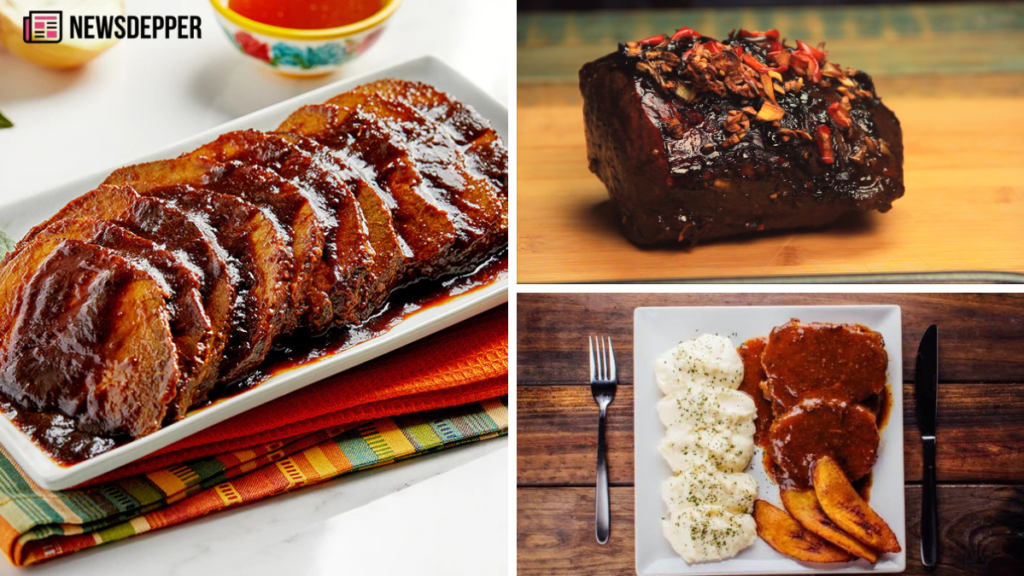
Finding a spot that nails this dish is trickier than it sounds. Plenty of restaurants advertise Latin American food, but very few treat asado negro with the respect it deserves. The sauce should be glossy and almost black, clinging to fork-tender beef that practically dissolves the moment it touches your tongue. When you search “best asado negro near me,” what you are really hoping for is that specific balance of caramelized sweetness, tangy vinegar, and rich beefy depth that only comes from someone who grew up making this dish in a family kitchen.
What Makes Asado Negro So Special
Asado negro translates loosely to “black roast,” and the name is refreshingly literal. The dish gets its color from panela or brown sugar that is melted down until it turns almost bitter-sweet, creating a caramel base that coats the meat as it braises for hours. That caramelization is the heart and soul of the dish, and it is also the easiest part to mess up. Rush it, and you get a flat, overly sweet sauce. Nail it, and you get something layered, smoky, and deeply satisfying.
The cut of beef matters just as much as the sauce. Traditional cooks in Venezuela typically use a whole cut like eye round or a similar lean roast, then slow-cook it whole before slicing it into thick, tender rounds. This slow method allows the meat fibers to absorb the caramel-vinegar-onion base without falling apart into shreds, giving you that satisfying bite that separates real asado negro from a rushed weeknight stew. When you are hunting for the best asado negro near me, look for restaurants that mention slow-braising or all-day cooking on their menu descriptions, because that is usually a strong hint they are doing it the traditional way.
Why Location Actually Matters for This Dish
You might wonder why proximity is such a big deal for a braised beef dish that theoretically travels well. The truth is that asado negro is at its absolute peak within an hour or two of finishing its slow cook. The sauce is glossiest, the meat is most tender, and the aromatics of garlic, onion, and bay leaf are still dancing together instead of settling into a flatter, muted flavor. That is exactly why searching for the best asado negro near me instead of ordering from somewhere across town genuinely changes your eating experience.
There is also the freshness factor of sides. Asado negro is almost always served with white rice, black beans, and fried plantains, sometimes with a simple avocado salad on the side. If your delivery time stretches past thirty minutes, those plantains lose their crisp edges and the rice can turn gummy. A nearby spot means everything arrives closer to how it left the kitchen, which honestly makes a bigger difference than most people expect until they experience it firsthand.
How to Evaluate a Restaurant Before You Order
Before committing to any spot that shows up when you search for the best asado negro near me, it helps to do a quick bit of homework. Reviews are your first filter, but read past the star rating and look for specific mentions of texture and sauce color. Comments like “sauce was too thin” or “meat was dry” are red flags, while phrases praising tenderness or a rich caramel flavor are good signs the kitchen understands the dish.
Menu presentation is another clue worth paying attention to. Restaurants that genuinely care about Venezuelan cuisine usually list asado negro alongside other traditional dishes like pabellón criollo, hallacas, or cachapas, which suggests an authentic kitchen rather than a generic Latin fusion spot trying to cover every country at once. A focused menu often signals a chef who specializes rather than one who is spreading attention too thin across too many cuisines.
The Role of Sauce and Texture in Judging Quality
Sauce is where asado negro lives or dies, and it deserves its own conversation. The ideal sauce should be thick enough to coat a spoon without dripping off immediately, dark enough to look almost like a mole but with a completely different flavor profile, and balanced enough that you taste sweetness, acidity, and savory depth all at once. If a place serves a version that tastes purely sweet with no tang, they have likely skipped the vinegar reduction step, and that shortcut is noticeable to anyone who has had the real thing.
Texture tells you just as much as flavor does. A properly braised roast should slice into thick, moist rounds that hold together on the fork but still yield easily to a knife. If the meat shreds apart like pulled pork, the kitchen either used the wrong cut or overcooked it past the ideal point. On the flip side, if it is at all chewy or tough, the braise did not go on long enough. When you finally find the best asado negro near me that gets both sauce and texture right, you will notice immediately, because the whole plate just feels effortless in the best way. <table> <tr><th>Quality Indicator</th><th>What It Looks Like</th><th>Why It Matters</th></tr> <tr><td>Sauce Color</td><td>Deep brown to almost black, glossy sheen</td><td>Indicates proper caramelization of sugar and reduction time</td></tr> <tr><td>Meat Texture</td><td>Sliceable rounds, tender but not falling apart</td><td>Shows correct cut choice and braising duration</td></tr> <tr><td>Flavor Balance</td><td>Sweet, tangy, and savory notes all present</td><td>Confirms vinegar and aromatics were used correctly</td></tr> <tr><td>Side Dishes</td><td>Fluffy white rice, crisp plantains, seasoned black beans</td><td>Reflects overall kitchen attention to detail</td></tr> <tr><td>Serving Temperature</td><td>Hot throughout, sauce still slightly bubbling on arrival</td><td>Freshness and proximity to cooking time</td></tr> </table>
Asking Locals and Community Groups for Recommendations
Search engines are useful, but they are not the only tool for finding the best asado negro near me. Local Venezuelan and Latin American community groups on social media are often gold mines of honest opinions, since members tend to be brutally direct about which spots taste like home and which ones fall short. These communities frequently share photos, which lets you visually compare sauce thickness and plating before you ever set foot in the restaurant.
Talking to people in your neighborhood works surprisingly well too. Coworkers, neighbors, or even the staff at a local Latin grocery store often know which small family-run kitchens make the dish without ever showing up prominently in online searches. Some of the most memorable asado negro comes from unassuming spots that rely entirely on word of mouth rather than marketing, so a little old-fashioned asking around can uncover options that algorithms miss entirely.
What Seasoned Home Cooks and Chefs Say About Doing It Right
Many chefs who specialize in Venezuelan cuisine emphasize patience above everything else when discussing this dish. As one longtime restaurant owner put it, “People rush the caramel because they are hungry, but that caramel is basically the soul of the whole dish, and rushing it is the one mistake you cannot fix later.” That sentiment echoes across kitchens that take the dish seriously, because the caramelization step genuinely cannot be sped up without sacrificing depth of flavor.
Home cooks who grew up with the dish often describe it in more personal terms. A home cook who learned the recipe from her grandmother once explained, “My grandmother used to say the sauce should look like it has secrets in it, dark and a little mysterious, but the taste should feel like a warm hug.” That kind of description captures something menus rarely manage to convey, and it is exactly the emotional connection that makes people search so specifically for the best asado negro near me instead of settling for a generic beef stew somewhere convenient.
Pairing Suggestions That Elevate the Experience
Once you have found a solid version of the dish, thinking about pairings can turn a good meal into a memorable one. A crisp, slightly acidic white wine or even a cold beer works beautifully against the richness of the sauce, cutting through the sweetness without overpowering the beef. If you prefer something non-alcoholic, a tamarind or passionfruit juice mirrors the tangy notes in the sauce and creates a nice flavor bridge across the whole plate.
Do not overlook the plantains either, since they are doing more work than people give them credit for. Their natural sweetness plays against the savory depth of the meat, creating contrast that keeps every bite interesting instead of monotonous. If the restaurant offers a side of avocado salad, take it, because the cool, buttery texture balances the richness of the sauce in a way that makes the entire meal feel more complete rather than heavy.
Ordering for Delivery Versus Dining In
There is a genuine difference between enjoying asado negro at a table versus having it delivered, and it is worth considering before you place your order. Dining in means you get the dish at its absolute peak, with steam still rising off the rice and the sauce glistening exactly as the chef intended. If you have the time, sitting down at a restaurant that specializes in this dish is almost always the better experience, especially the first time you are trying a new place.
That said, delivery has come a long way, and many kitchens now package sauce and rice separately specifically to preserve texture during transit. If you are searching for the best asado negro near me with the intention of ordering in, look for restaurants that mention this kind of thoughtful packaging in their reviews. It is a small detail, but it shows a level of care that usually extends to the cooking itself, and it is a strong sign that ownership actually understands what makes this dish special to their customers.
Common Mistakes People Make When Searching for This Dish
One frequent mistake is confusing asado negro with other Latin American beef dishes that share similar ingredients but completely different flavor profiles. Ropa vieja, for instance, uses shredded beef in a tomato-based sauce, while carne guisada leans heavily on cumin and a lighter broth. If a restaurant lists something under a similar name but the description mentions tomatoes or a thin broth, it is probably not true asado negro, and setting that expectation early saves disappointment later.
Another common error is judging a restaurant purely on its overall Latin food ratings rather than looking specifically for feedback on this particular dish. A spot might have fantastic arepas and mediocre asado negro, or incredible empanadas paired with a version of this braise that misses the mark entirely. Specificity matters enormously here, so when you search for the best asado negro near me, try to find reviews that mention the dish by name rather than relying on a restaurant’s general reputation alone.
Supporting Small and Family-Owned Kitchens
Many of the most authentic versions of this dish come from small, family-run restaurants rather than large chains, and there is real value in supporting those businesses. These kitchens often use recipes passed down through generations, with techniques that never get written down anywhere except in memory and muscle habit. Choosing these spots over larger competitors usually means a more genuine, less commercialized version of the dish, along with a direct benefit to the people actually doing the cooking.
Supporting these businesses also helps preserve culinary traditions that might otherwise fade as younger generations gravitate toward faster, more convenient food options. Every time someone searches for the best asado negro near me and chooses a small family kitchen over a larger chain, they are casting a small vote for keeping that tradition alive in their community. It is a meaningful choice that goes beyond just satisfying a craving for one evening.
Final Thoughts on Finding Your Go-To Spot
Finding a restaurant that consistently nails asado negro is genuinely worth the effort it takes to search properly. This is not a dish that tolerates shortcuts, and once you have tasted a version made with real patience and skill, it becomes the standard you measure everything else against. Take the time to read specific reviews, ask people in your community, and pay attention to details like sauce color and meat texture before committing to a new place.
In the end, the best asado negro near me is not always the closest option or the one with the flashiest online presence. It is the kitchen that treats this dish with the same care a grandmother would, letting the caramel develop slowly and the meat braise until it practically melts. When you find that place, hold onto it, because a truly excellent version of this dish is rarer than most people realize, and it is worth every bit of searching it took to find it.
Frequently Asked Questions
What exactly is asado negro and where does it come from
Asado negro is a traditional Venezuelan beef dish known for its deep, almost black sauce, which comes from caramelizing sugar until it turns dark and slightly bitter before combining it with vinegar, onions, and slow-braised beef. It is considered a staple of Venezuelan home cooking and is often served during family gatherings and celebrations. The dish has a long history rooted in resourceful, patient cooking methods that transform simple ingredients into something deeply flavorful over several hours.
How can I tell if a restaurant makes authentic asado negro
The clearest signs of authenticity are a sauce that is dark, glossy, and thick enough to coat a spoon, along with beef that slices into tender rounds rather than falling apart into shreds. Reviews mentioning slow-braising, homemade caramel sauce, or comparisons to a grandmother’s cooking are strong positive indicators. If the menu description sounds vague or lumps the dish in with unrelated stews, it is worth double-checking before ordering.
Is asado negro supposed to taste sweet
Asado negro should have noticeable sweetness from the caramelized sugar, but that sweetness needs to be balanced by tanginess from vinegar and savory depth from the beef and aromatics. If a version tastes purely sweet with no acidity or complexity, the kitchen likely skipped an important step in the sauce-making process. The goal is layered flavor, not straightforward sweetness, and that balance is exactly what separates good versions from great ones.
What sides typically come with asado negro
The most traditional pairing includes white rice, black beans, and fried sweet plantains, sometimes accompanied by a simple avocado salad. These sides are chosen deliberately to balance the richness of the sauce, with the plantains adding natural sweetness and the rice acting as a neutral base that soaks up extra sauce beautifully. When searching for the best asado negro near me, checking whether a restaurant offers these traditional sides is a good indicator of how seriously they treat the dish overall.
Should I dine in or order delivery for the best experience
Dining in generally offers the best experience, since the dish is at its peak flavor and texture immediately after cooking, with the sauce still glossy and the rice still warm. Delivery can still be excellent if the restaurant packages components separately to preserve texture during transit, so checking reviews for mentions of packaging quality is helpful. If you have the flexibility, choosing to sit down at the restaurant the first time you try a new spot is usually the better way to judge its true quality.
You may also read : Best Api Con Pastel Near Me: A Local Food Lover’s Guide