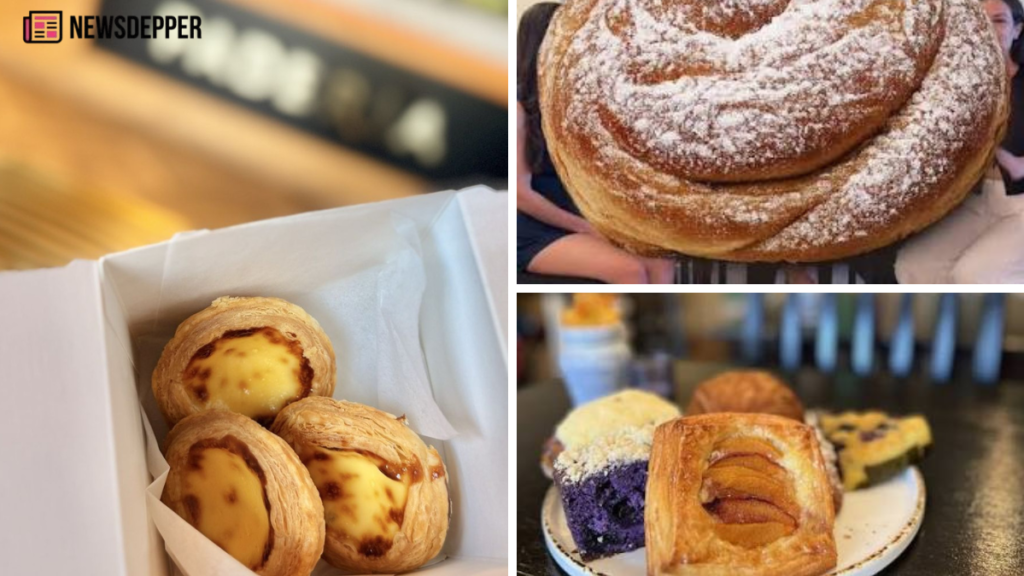

If you’ve ever typed “best ensaimada near me” into your phone at ten in the morning with an empty stomach and a craving that won’t quit, you’re not alone. This spiral-shaped, buttery pastry from Mallorca has quietly become one of the most searched-for treats in cities with strong Spanish and Filipino baking traditions, and once you understand why, you’ll never look at a plain croissant the same way again. Ensaimada isn’t just bread. It’s a soft, slightly sweet, impossibly light coil of dough that somehow manages to be both simple and indulgent at the same time.
What makes the hunt for the best ensaimada near me so much fun is that every bakery seems to have its own personality baked right into the dough. Some keep it traditional, dusting the top with powdered sugar and calling it a day. Others go bold with fillings like cream, chocolate, ube, or even savory ingredients that would make a purist raise an eyebrow. Either way, the search itself becomes part of the experience, and this guide is here to make that search a lot easier and a lot more delicious.
What Exactly Is an Ensaimada, and Why Everyone’s Suddenly Obsessed
Ensaimada traces its roots back to the island of Mallorca in Spain, where bakers have been coiling this buttery dough into spirals for centuries. The name itself comes from “saïm,” the Mallorcan word for lard, which was traditionally used to give the pastry its signature soft, flaky texture. Over time, the recipe traveled, adapted, and found new homes in places like the Philippines, where it evolved into a slightly different but equally beloved version topped with butter and sugar.
What separates a great ensaimada from a mediocre one usually comes down to texture and technique. The dough needs to be proofed properly so it stays airy rather than dense, and the lamination process, where butter or lard is folded into the dough in layers, is what gives it that pull-apart quality people rave about. When someone says they’re looking for the best ensaimada near me, what they’re really describing is that perfect balance of pillowy softness, subtle sweetness, and rich buttery flavor that lingers just long enough to make you want another bite.
How to Actually Find the Best Ensaimada Near Me Without Wasting a Trip
Searching online is a good start, but it only gets you halfway there. Typing “best ensaimada near me” into a search engine will pull up a list of bakeries, but ratings alone don’t tell you whether the ensaimada was baked that morning or sitting in a display case since yesterday. Freshness matters more with this pastry than almost any other baked good, since the buttery layers dry out quickly once exposed to air.
A smarter approach is combining online research with a bit of old-fashioned bakery scouting. Look for local bakeries that specialize in Spanish or Filipino pastries specifically, rather than generic bakeries that carry one lonely ensaimada as an afterthought. Reading recent reviews, checking photos posted by other customers, and even calling ahead to ask what time they bake fresh batches can save you from a disappointing, stale experience. If you’re serious about finding the best ensaimada near me, timing your visit around morning baking schedules is one of the smartest moves you can make.
Signs You’ve Found a Genuinely Great Ensaimada
There are a few telltale signs that separate an exceptional ensaimada from an average one, and once you know what to look for, you’ll spot them instantly. The color should be a warm golden brown, never pale or overly dark, which usually indicates proper baking time and temperature. The texture should feel light in your hand, almost deceptively so, given how rich the flavor turns out to be once you take that first bite.
Smell is another underrated clue. A freshly baked ensaimada carries a subtle buttery aroma that hits you before you even unwrap it, and that scent alone can tell you whether you’re dealing with something made hours ago or days ago. As one longtime pastry chef in a small Mallorcan bakery once put it, “You can taste patience in a good ensaimada. Rushed dough never rises the same way.” That sentiment holds true no matter where in the world you’re buying it. If your goal is landing on the best ensaimada near me, trust your senses just as much as any online review.
A Quick Comparison of Popular Ensaimada Styles
Not all ensaimadas are created equal, and understanding the variations can help you decide what you’re actually in the mood for before you even start your search. Below is a simple breakdown of the most common styles you’ll encounter.
| Style | Origin | Texture | Common Filling | Best Time to Eat |
|---|---|---|---|---|
| Traditional Mallorcan | Spain | Light and flaky | Powdered sugar dusting | Breakfast |
| Filipino-style Ensaimada | Philippines | Soft and slightly denser | Butter, sugar, cheese | Snack or merienda |
| Cream-Filled | Various bakeries | Airy with a soft bite | Custard or whipped cream | Dessert |
| Ube Ensaimada | Philippines-inspired | Moist and rich | Ube halaya | Anytime treat |
| Chocolate-Stuffed | Modern bakery twist | Dense in the center | Chocolate ganache | Afternoon coffee pairing |
This table barely scratches the surface, since bakeries constantly experiment with new fillings and toppings, but it gives you a solid starting point when comparing options during your search for the best ensaimada near me.
Why Local Bakeries Often Beat Big Chains
There’s a reason food lovers consistently point people toward small, family-run bakeries when the topic of ensaimada comes up. Chain bakeries tend to prioritize shelf life and consistency across hundreds of locations, which often means preservatives sneak into the recipe and the dough gets mass-produced rather than hand-laminated. That approach might work fine for sliced bread, but it rarely does justice to something as delicate as an ensaimada.
Independent bakeries, on the other hand, usually bake in smaller batches throughout the day, which means fresher product and more attention to detail in the folding and proofing process. Many of these smaller shops have recipes passed down through generations, and the bakers genuinely care about upholding the tradition rather than cutting corners for efficiency. A bakery owner from a family-run shop once shared, “We still fold the dough the way my grandmother taught us, because that’s the only way it turns out right.” That kind of dedication is exactly what you’re hoping to stumble upon when searching for the best ensaimada near me.
Pairing Ensaimada With the Right Drink
Half the joy of eating an ensaimada comes from what you pair it with. In Mallorca, it’s common to enjoy this pastry alongside a strong cup of coffee or hot chocolate, especially during cooler mornings when the buttery richness feels extra comforting. The slight sweetness of the dough balances beautifully against the bitterness of black coffee, creating a contrast that keeps every bite interesting.
In the Philippines, ensaimada is often paired with hot chocolate made from tablea, or sometimes even a cold glass of milk if you’re going for a more casual, anytime-snack vibe. Tea drinkers also find that lighter blends, like chamomile or green tea, complement the buttery notes without overwhelming the pastry’s delicate flavor. Whatever you choose, pairing your ensaimada thoughtfully can elevate the entire experience, turning a quick bakery run into a genuinely memorable little ritual.
Common Mistakes People Make When Searching for Ensaimada
One of the biggest mistakes people make is assuming every bakery listing under “pastries” or “bakery near me” will actually carry ensaimada. Many general bakeries simply don’t specialize in this particular pastry, and you can end up driving across town only to find a shelf full of croissants and muffins instead. Narrowing your search specifically toward Spanish, Mallorcan, or Filipino bakeries tends to produce far more accurate results.
Another common misstep is buying ensaimada late in the day and expecting it to taste as good as a morning-fresh batch. Because the dough is rich in butter, it dries out faster than typical bread, and reheating it in a microwave often makes things worse by turning the texture rubbery. If you truly want the best ensaimada near me, plan your visit earlier rather than later, and if you can’t make it in time, ask the bakery directly whether they have an evening batch or if it’s better to come back the next morning.
How Weather and Seasonality Affect Ensaimada Quality
It might sound surprising, but humidity and temperature actually play a role in how ensaimada turns out. In warmer, more humid climates, dough can behave differently during proofing, sometimes rising faster or becoming stickier than intended. Skilled bakers adjust their technique accordingly, but less experienced shops might struggle with consistency depending on the season.
Cooler months tend to produce a slightly firmer, more structured ensaimada, while warmer months can result in a softer, sometimes gooier texture depending on the filling. Some bakeries even release seasonal versions, incorporating flavors like pumpkin in autumn or fresh mango during summer, giving regular customers a reason to keep coming back throughout the year. Paying attention to these seasonal shifts can genuinely change your experience the next time you go looking for the best ensaimada near me.
Supporting Local Bakers While You Satisfy Your Craving
There’s something deeply satisfying about supporting a small business while indulging in something delicious, and ensaimada happens to be one of those treats where that connection feels especially meaningful. Many of the bakeries producing the best versions of this pastry are family-owned operations that have been perfecting their recipes for decades, often passed down through multiple generations without ever being written into a formal cookbook.
Choosing to buy from these smaller shops instead of mass-market alternatives helps preserve a tradition that could otherwise fade as bigger chains dominate the market. It also tends to reward you with a noticeably better product, since these bakers have every incentive to maintain quality and reputation within their community. Next time your search for the best ensaimada near me leads you to a modest little storefront instead of a flashy chain, consider that a good sign rather than a letdown.
Final Thoughts on Tracking Down Your Perfect Ensaimada
At the end of the day, finding the best ensaimada near me isn’t really about landing on a single “correct” answer, since taste is deeply personal and every bakery brings something a little different to the table. What matters more is understanding what makes this pastry special in the first place, from its buttery lamination to its delicate proofing process, so you know exactly what you’re looking for when you take that first bite. Freshness, texture, aroma, and the passion behind the baking all play a role in separating an unforgettable ensaimada from a forgettable one.
The next time that craving hits, don’t just settle for the first bakery that pops up in your search results. Take a little extra time to read reviews, check baking schedules, and maybe even strike up a conversation with the baker themselves. That extra effort almost always pays off in flavor, and it turns a simple snack run into a small adventure worth repeating.
Frequently Asked Questions About Finding the Best Ensaimada
What is the best time of day to buy ensaimada for maximum freshness
Early morning is almost always the ideal window, since most bakeries bake their first batches before opening and the pastry is at its softest and most flavorful within a few hours of coming out of the oven. Buying later in the day increases the chances of getting a piece that has started to dry out, especially if the bakery doesn’t bake multiple batches throughout the day.
How can I tell if an ensaimada is freshly baked versus sitting out too long
Freshly baked ensaimada should feel light and slightly springy to the touch, with a noticeable buttery aroma. If it feels dense, dry, or has a slightly stale smell, it’s likely been sitting for a while, and you should feel comfortable asking the staff how recently it was baked before purchasing.
Is Filipino ensaimada different from the original Mallorcan version
Yes, there are some noticeable differences. The Mallorcan original tends to be lighter, flakier, and simply dusted with powdered sugar, while the Filipino version is often slightly denser and topped with butter, sugar, and sometimes grated cheese, giving it a more savory-sweet balance that reflects local taste preferences.
Why do some bakeries charge significantly more for their ensaimada
Price differences usually come down to ingredient quality, baking technique, and whether the bakery uses real butter versus cheaper substitutes. Handmade, small-batch ensaimadas that require more time and skilled labor to produce will naturally cost more than mass-produced versions found in larger chain bakeries.
Can I store ensaimada at home and still enjoy it later without losing quality
You can store it, though it’s best enjoyed within a day or two for optimal texture. Wrapping it tightly and keeping it at room temperature usually works better than refrigerating it, since cold temperatures can dry out the buttery layers faster. A brief warm-up in the oven, rather than a microwave, can help revive some of that fresh-baked softness if you’re eating it a day later.
Does asking bakeries directly about their baking schedule actually help find better ensaimada
Absolutely. Many bakeries are happy to share when their fresh batches come out, and this small step alone can dramatically improve your chances of getting the best ensaimada near me instead of settling for whatever happens to be left on the shelf. It shows genuine interest, and most bakers appreciate customers who care enough to ask.
You may also read Best Asado Negro Near Me: Your Guide to Finding the Real Deal