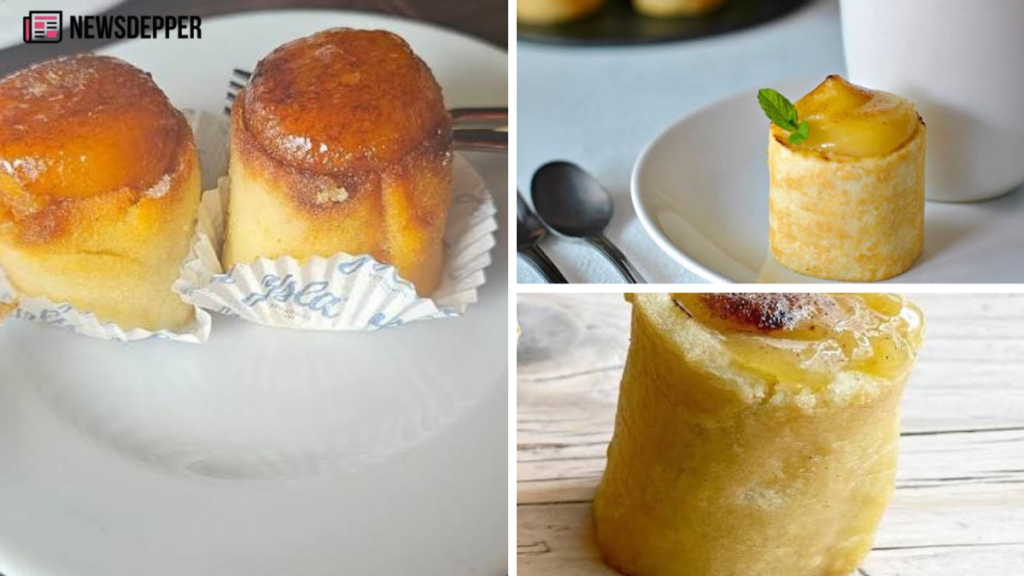

If you have ever driven along the winding highway through Nueva Vizcaya and caught a whiff of caramelized sugar and fried banana in the air, you already know why so many travelers type “best piononos de Santa Fe near me” into their phones the moment they hit town. This little snack has turned a quiet stretch of road into a full-blown food destination, and for good reason. A well-made pionono is crispy on the outside, soft and warm on the inside, and coated in just enough burnt sugar to make your fingers sticky in the best possible way.
What started as a humble roadside treat sold from small stalls has grown into something of a pilgrimage stop for anyone passing through the region. People plan entire road trips around a stopover in Santa Fe just to grab a few sticks of these rolled banana fritters. Whether you are a first-time visitor or someone who has been chasing this flavor for years, this guide will walk you through everything worth knowing before you go hunting for the best piononos de Santa Fe near me, including where to look, what separates the good ones from the forgettable ones, and how to make the most of your visit.
What Makes Piononos de Santa Fe So Special
At first glance, a pionono looks simple enough. It is essentially a ripe saba banana wrapped in a thin lumpia wrapper, deep-fried until golden, then rolled in caramelized sugar while it is still hot. Simple, yes, but the execution is where things get tricky. The banana needs to be ripe enough to caramelize nicely but firm enough to hold its shape during frying. Too soft and the whole thing turns mushy. Too firm and you lose that melt-in-your-mouth texture that makes people keep coming back.
The sugar coating is another detail that separates an average vendor from a great one. Done right, the sugar forms a thin, glassy shell that cracks slightly when you bite into it, almost like a creme brulee in stick form. Done wrong, it either burns and turns bitter or never quite sets, leaving you with a sticky mess instead of that satisfying crunch. This balance between crisp shell and soft, warm filling is exactly why so many people search specifically for piononos de Santa Fe near me rather than settling for a similar snack sold somewhere else along the highway.
There is also a nostalgic element woven into every bite. For many Filipinos who grew up traveling to or through Nueva Vizcaya, piononos are tied to memories of long family road trips, quick pit stops, and that unmistakable smell of frying oil mixed with sugar drifting from roadside stands. It is comfort food in the truest sense, and that emotional connection plays a huge role in why the search for the best piononos de Santa Fe near me never really goes out of style.
How to Spot Authentic Piononos de Santa Fe Near Me
Not every stall selling something that looks like a pionono is actually selling the real thing. Some vendors along busy routes cut corners by using underripe bananas, reheating batches instead of frying fresh, or skimping on the sugar coating to save costs. If you want the genuine experience, there are a few small details worth paying attention to before you buy.
First, look at the color. Authentic piononos have a deep golden-brown shell with visible caramelized sugar crystals clinging to the surface. If the coating looks pale or overly shiny like syrup rather than actual crystallized sugar, that is often a sign it was made in bulk earlier in the day and simply reheated. Freshly fried piononos should look slightly uneven, almost rustic, because they are hand-rolled and hand-coated rather than mass-produced.
Second, pay attention to the sound and smell. A freshly made pionono makes a light crackling sound when you break it apart, and the smell should be warm and slightly smoky from the caramelization, not overly sweet or artificial. If a stall smells more like reheated oil than fresh frying, it might be worth walking a little further down the road. This is one of the small but important tricks locals use when they are searching for the best piononos de Santa Fe near me instead of just grabbing the first stall they see.
Finally, watch how busy the stall is. Local vendors with a steady stream of customers tend to fry in smaller, more frequent batches, which means what you are buying was likely made within the last few minutes rather than sitting under a heat lamp for hours. A short line is often a good sign, not a bad one.
The Best Roadside Stalls and Shops for Piononos de Santa Fe
While specific vendor names and locations can shift over time as stalls open, close, or relocate along the highway, there are patterns that consistently point travelers toward the better spots. Stalls clustered near the town proper of Santa Fe tend to have higher foot traffic from both locals and regular travelers, which naturally pushes vendors to keep their frying fresh and their sugar coating consistent.
According to one longtime vendor who has been selling piononos along this stretch for over a decade, “You can tell right away if someone really knows what they are doing, because the sugar should never taste burnt, only sweet and a little smoky.” That kind of pride in the craft is exactly what separates a memorable stop from a disappointing one, and it is often passed down through families who have been running these stalls for generations.
Another local food vendor once described the secret this way: “The banana has to be almost too ripe to eat on its own, that is when it caramelizes the best.” This kind of insider knowledge rarely makes it into official listings, which is exactly why word-of-mouth recommendations and firsthand exploration often work better than relying solely on generic online searches. Talking to jeepney drivers, tricycle operators, or even other travelers who frequent the area can point you toward stalls that consistently deliver quality, especially since the popularity of certain spots can shift from year to year.
A Quick Comparison Table of Popular Pionono Spots
To make your search easier, here is a general comparison of the types of stalls you are likely to encounter when looking for the best piononos de Santa Fe near me, based on common traveler feedback and local reputation.
| Type of Stall | Typical Texture | Sugar Coating Quality | Best For |
|---|---|---|---|
| Long-standing family stalls | Crispy shell, soft inside | Deep caramel, well-balanced | Authentic, traditional flavor |
| Newer roadside vendors | Slightly softer shell | Lighter, sometimes uneven | Quick, casual stops |
| High-traffic tourist stalls | Consistent but less rustic | Reliable but less nuanced | Convenience and speed |
| Small home-based sellers | Varies widely, often excellent | Often the most flavorful | Hidden-gem experiences |
This table is not meant to replace personal exploration, but it does give you a helpful framework for setting expectations before you commit to a particular stall.
Tips for Enjoying Piononos de Santa Fe Like a Local
There is a bit of an art to eating a pionono properly, and locals rarely just bite straight into it the way tourists sometimes do. Because the outer sugar shell is fragile and the inside is often still steaming hot, many locals let it cool for a minute or two before taking that first bite. This short pause allows the sugar to set slightly, giving you that satisfying crackle instead of a molten sugar mess on your fingers.
It also helps to eat piononos while they are freshly fried rather than saving them for later. Unlike some snacks that hold up well after sitting for a while, piononos lose a significant amount of their textural appeal once they cool down completely. The shell softens, the banana filling becomes denser, and the whole experience becomes noticeably less exciting. If you are buying a batch to bring home to family or friends, consider buying it as close to your departure time as possible.
Pairing your pionono with something to drink can also elevate the experience. Many travelers enjoy theirs with a cold soft drink or a hot cup of local coffee, since the contrast in temperature and flavor helps balance out the sweetness. Some locals even joke that a good pionono deserves a proper sit-down moment rather than being eaten on the run, treating it almost like a small dessert course rather than just a quick snack.
Best Time to Visit and Buy Piononos de Santa Fe
Timing your visit can make a noticeable difference in the quality of what you end up buying. Early morning and late afternoon tend to be the best windows, since this is typically when vendors are frying fresh batches to meet the demand from travelers passing through during peak commuting hours. Midday, especially during the hottest part of the afternoon, can sometimes mean slower turnover at certain stalls, which increases the odds of getting something that has been sitting out for a while.
Weekends and holidays bring a noticeable increase in traffic through the area, which is both a blessing and a challenge. On one hand, higher demand usually means vendors are frying more frequently to keep up, which works in your favor. On the other hand, popular stalls can sell out faster than expected, especially during long weekends when road trips to and from nearby provinces spike significantly.
If you are specifically chasing the best piononos de Santa Fe near me during a holiday season, it is worth arriving a little earlier than usual or being prepared to visit a few different stalls if your first choice has already sold out. Locals often plan around this by calling ahead to family-run stalls they trust, a small trick that can save you from disappointment during especially busy travel periods.
Pairing Piononos de Santa Fe With Other Local Treats
Part of what makes a stop in Santa Fe so enjoyable is that piononos rarely travel alone. Many of the same stalls, or ones located nearby, also sell other regional snacks that pair beautifully with the sweetness of a freshly fried pionono. Items like local rice cakes, grilled corn, or even simple boiled peanuts offer a nice contrast in texture and flavor, giving travelers a more complete snacking experience rather than just a single treat.
Some travelers make it a habit to grab a small assortment from multiple stalls, turning what could have been a quick five-minute stop into a leisurely half-hour break. This approach not only supports several local vendors at once but also gives you a broader sense of what the area has to offer beyond just the one famous snack. It is a small but meaningful way to experience the local food culture rather than treating the stop as a single-purpose errand.
Coffee shops and small carinderias near the highway also tend to complement the pionono experience nicely, offering a place to sit down, cool off, and enjoy your snack properly instead of eating it while standing beside a parked vehicle. If your schedule allows it, taking even fifteen extra minutes to sit and enjoy the moment tends to make the whole stop feel far more memorable.
How Piononos de Santa Fe Compare to Other Filipino Street Snacks
The Philippines has no shortage of beloved street foods, from banana cue to turon, and it is natural to wonder how piononos stack up against these familiar favorites. While turon shares some similarities, being a fried banana wrapped in a thin wrapper, the key difference lies in the sugar application. Turon is typically fried with sugar already mixed into the coating, while piononos are rolled in sugar after frying, creating that distinct crackly shell that fans of the snack specifically seek out.
Banana cue, on the other hand, is skewered and coated in caramelized sugar without any wrapper at all, giving it a completely different texture profile. Piononos sit somewhere in between these two familiar snacks, offering the wrapped crunch of turon combined with the caramel-forward sweetness of banana cue. This unique combination is a big part of why so many people specifically search for the best piononos de Santa Fe near me rather than settling for a similar snack elsewhere in the country.
There is also a regional pride element at play. Just as certain provinces are known for specific dishes, Santa Fe has essentially built its identity around this one snack, and locals take genuine pride in maintaining that reputation. This sense of ownership over the recipe and technique is part of why quality tends to remain fairly consistent among the more established vendors in the area.
Why Searching Piononos de Santa Fe Near Me Leads You Straight to Santa Fe, Nueva Vizcaya
If you search online for piononos de Santa Fe near me, the results will almost always point you toward the town of Santa Fe in Nueva Vizcaya, and that is not a coincidence. This particular stretch of road has become so closely associated with the snack that it has effectively become synonymous with it, much like certain towns become known for specific regional delicacies across the country.
The reason this association has stuck so strongly comes down to consistency and history. Generations of vendors have refined their technique along this same stretch of highway, creating a kind of informal quality standard that travelers have come to expect. Even as new stalls open and old ones eventually close, the overall reputation of the area as the go-to spot for piononos has remained remarkably stable over the years.
This is also why trying to find an equally good version far outside the region often ends in disappointment. While some restaurants and specialty shops in bigger cities have attempted to recreate the experience, most seasoned pionono fans agree that nothing quite matches the version made fresh along the roadside stalls of Santa Fe itself. There is something about the combination of local bananas, generations of practiced technique, and the roadside frying setup that is difficult to replicate elsewhere.
Final Thoughts on Finding the Best Piononos de Santa Fe Near Me
At the end of the day, tracking down the best piononos de Santa Fe near me is less about finding one single perfect stall and more about embracing the experience of exploring a handful of options until you find the flavor profile that suits you best. Some travelers prefer a deeper, almost smoky caramelization, while others lean toward a lighter, sweeter coating. Both styles have their loyal fans, and part of the fun is figuring out which camp you fall into.
What remains consistent, though, is the overall experience itself. The smell of frying oil drifting across the highway, the sight of vendors rolling banana after banana in sugar, and that first satisfying crackle of the shell breaking apart in your hands all combine to create something that feels distinctly tied to this one specific stretch of road. It is a small but meaningful reminder that sometimes the best food experiences are not found in fancy restaurants but in the simple, well-practiced routines of local vendors who have spent years perfecting a single, humble snack.
Whether you are planning a dedicated food trip or simply passing through on your way to somewhere else, taking a few extra minutes to stop, look around, and pick out a fresh batch of piononos is well worth the detour. It is a small investment of time that consistently pays off in flavor, and it is exactly why the search for the best piononos de Santa Fe near me continues to bring travelers back to this same stretch of highway year after year.
Frequently Asked Questions
What exactly is a pionono and how is it different from other Filipino banana snacks?
A pionono is a ripe saba banana wrapped in a thin lumpia wrapper, deep-fried until golden, and then rolled in caramelized sugar while still hot. This process creates a distinct crackly outer shell that sets it apart from similar snacks like turon or banana cue, which use different sugar application methods and result in noticeably different textures.
Where exactly should I look if I am searching for the best piononos de Santa Fe near me?
The town of Santa Fe in Nueva Vizcaya, along the main highway, is the most reliable place to find authentic and freshly made piononos. Stalls clustered near the town proper tend to see the highest foot traffic, which generally translates to fresher batches and more consistent quality throughout the day.
How can I tell if a pionono stall is selling fresh, high-quality piononos?
Look for a deep golden-brown color with visible caramelized sugar crystals, listen for a light crackling sound when the shell is broken, and pay attention to whether the smell is warm and slightly smoky rather than overly sweet or artificial. Busy stalls with steady customer turnover are also generally a good sign of frequent, fresh frying.
Is it better to visit in the morning or afternoon for the freshest piononos?
Early morning and late afternoon tend to offer the best chances of getting freshly fried batches, since these are typically the busiest travel windows when vendors fry more frequently to meet demand. Midday visits, especially during slower hours, can sometimes result in snacks that have been sitting out longer than ideal.
Can I find piononos de Santa Fe outside of Nueva Vizcaya that taste just as good?
While some vendors and shops in other regions attempt to recreate the recipe, most experienced fans agree that the version made fresh along the roadside stalls in Santa Fe itself remains difficult to match. The combination of local bananas, long-practiced technique, and the roadside frying setup contributes to a flavor and texture that is hard to replicate elsewhere.
Are piononos best eaten immediately or can they be saved for later?
Piononos are best enjoyed fresh, ideally within a few minutes of being fried, since the sugar shell softens and the texture changes noticeably once they cool down. If you plan to bring some home or share them later, try to purchase them as close to your departure time as possible to preserve that signature crispy texture.
You may also read : Best Queso Helado Near Me: Where to Find This Creamy Treat